House Clearance Cost: What Affects the Price
By Ecoplus Team · · 5 min read
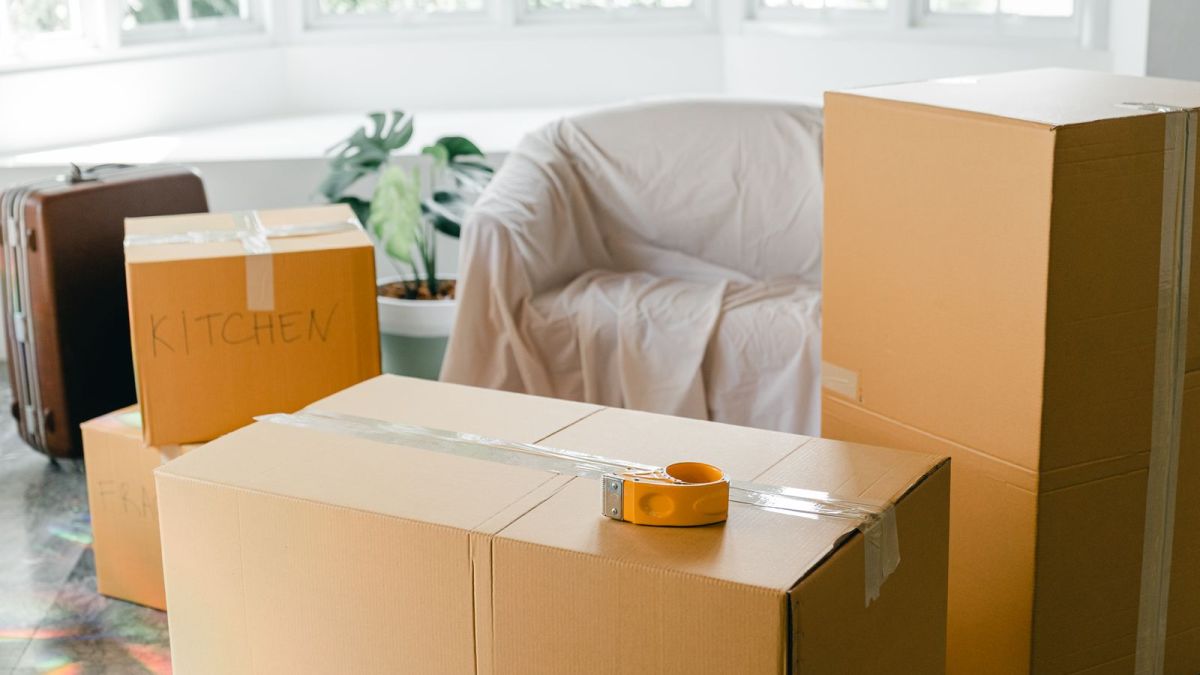
A house clearance can be a big job, and it is natural to want to know the cost before you start. Prices vary a great deal from one job to the next, which is why no honest company will quote you without knowing what is in the property. This guide explains what drives the cost and how to keep it sensible.
What is a house clearance?
A house clearance is the removal of the contents of a property, and often of rubbish and unwanted items too, so that it can be sold, let, handed back or prepared for its next use. It can cover a whole house, a flat, or only parts such as a loft, a garage or a garden.
What affects the cost of a house clearance
- How much there is. The volume of items is the biggest factor, so a half-full flat is a very different job from a full house with a loft and a garage.
- What the items are. Heavy items, such as wardrobes, white goods and old sofas, take more time and may cost more to dispose of.
- Access. Stairs, long carries, no parking and no lift all add time.
- Rubbish and waste. Disposal is a real cost. Mixed waste, hazardous items and garden waste can all affect the price.
- Items of value. Some companies take account of anything they can reuse or sell, which may reduce the cost. Others do not, so ask.
- Timing. Short notice, weekends and tight deadlines can narrow your choices.
- Condition of the property. A property with a lot of hoarded items takes longer and needs more people.
Why quotes differ so much
Two quotes for the same house can look very different. This is usually because they cover different things.
- One may include the removal of rubbish and the other may not.
- One may include a final sweep and the other may leave the property as it is.
- One may be based on a visit and the other on a few photos and a guess.
- One may plan for lifting heavy items with extra staff and the other may not.
Always ask exactly what the quote covers before you compare prices.
Check that the company disposes of waste properly
In England it is a legal requirement for anyone who carries waste for others to be a registered waste carrier. Scotland, Wales and Northern Ireland have their own registers. Ask each company for its registration number and check it on the official register. A reputable company will give it to you without fuss.
It is also worth asking what happens to what they take away: whether usable items are reused or donated, and where the rest goes. Illegal dumping by an unregistered carrier can become the householder's problem, so this is not a question to skip.
How to keep the cost down
- Sort first. Set aside anything you want to keep, sell or give away before the day.
- Sell or donate what has value. Charities and local sales sites can take furniture and household items, which means less for the clearance team to take.
- Be honest about what is there. Mention the loft, the garage, the shed and the garden when you ask for quotes. A surprise on the day costs more than a clear brief.
- Book a day that suits you. If you can be flexible, you may have more choice.
- Get more than one quote, all for the same job.
What to ask before you book
- Is the price fixed, and what could change it on the day?
- Is the removal of rubbish included?
- What is the waste carrier registration number?
- What will you do with the items you take?
- Will the property be swept clean afterwards?
- Are you insured?
Getting quotes
When you ask for quotes, give the number of rooms, any loft, garage or outbuildings, how much furniture there is, and the access at the property. Photographs help.
You can get free house clearance quotes through Ecoplus and compare them from verified companies. You can also read about our house clearance service, our guide to responsible waste disposal and furniture restoration, and how to arrange a clearance after a bereavement.
Frequently asked questions
Can I be paid for items in the house?
Some items have resale value, and some companies take that into account. Ask each company whether it does, and if there is any arrangement, get it in writing before the day.
Do I need to be at the property?
It helps to be there for the first walk-through so that you can show what is going and what is staying. After that, many people agree access and key arrangements with the company instead.
How long does a house clearance take?
A small flat can take a few hours, while a full house with a loft and garage can take a day or longer. A company can give you an estimate once it knows how much there is.
Are there things a clearance company cannot take?
Hazardous items such as chemicals, gas bottles and asbestos need specialist handling. Tell the company about them when you ask for quotes so that they are dealt with correctly.